La Growth Machine Sequence Editor Freezes and Lost Saves
There is no documented bug and no setting to change. What reviewers report is builder lag and progress lost mid-edit, so the job is to make a failed save cheap: reload to verify, and restructure in a duplicate.
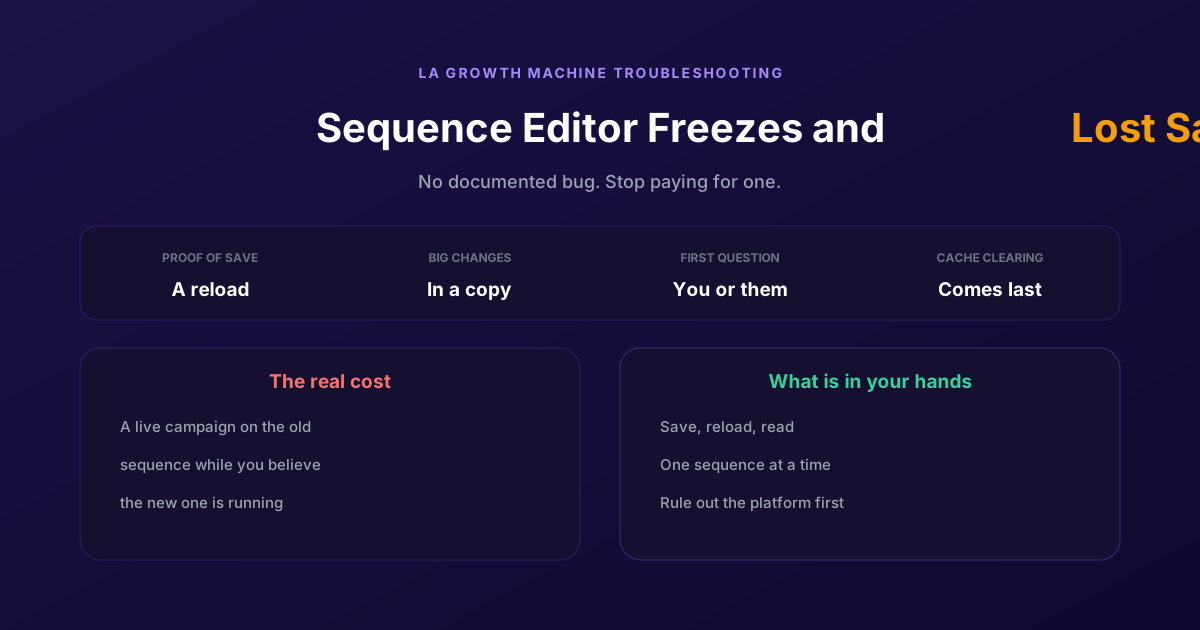
You restructured the sequence, clicked save, and the spinner never resolved. Or it did, you reloaded an hour later, and two of the steps you added are simply not there. The canvas drags when you move a block, and the whole thing feels like it is fighting you.
Start with something most articles on this will not tell you: La Growth Machine does not document a sequence editor bug, and there is no help centre page with a fix in it. What there is, consistently, across G2 and Capterra reviews, is UI lag in the workflow builder and progress lost mid-edit. That changes what this page can usefully be. There is no setting to toggle, so the job is to stop losing work, and to find out quickly whether the problem is on your side or theirs.
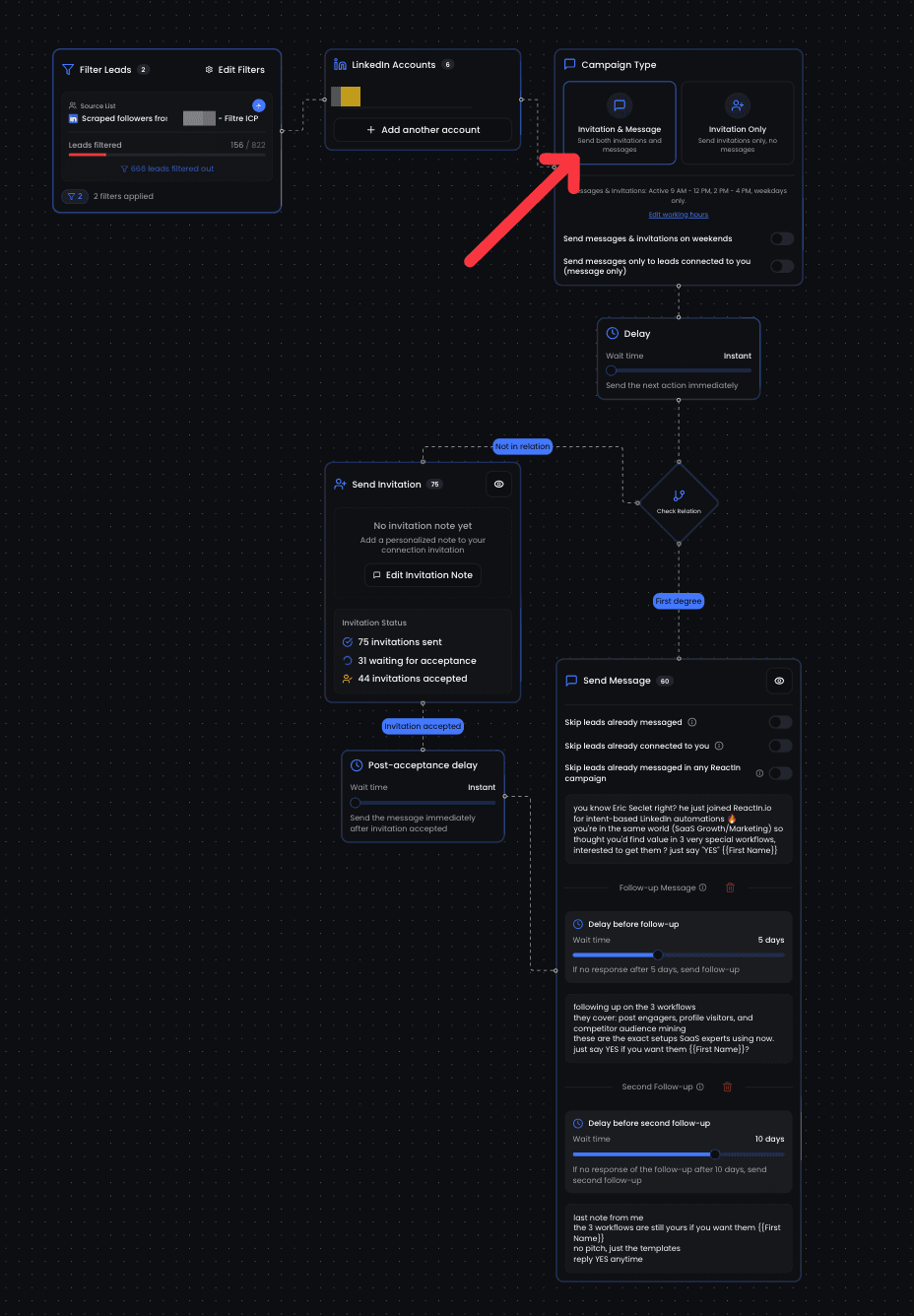
What you are probably looking at
Without vendor documentation to lean on, the useful move is to separate the symptoms by what they imply. A slow canvas and a save that silently did not land are different problems with different responses, and one of them has consequences beyond the editor.
| Symptom | What it usually means | What to do |
|---|---|---|
| Canvas lags when you drag | Client side load, reported most with several campaigns open | One sequence at a time, close the other tabs |
| Save spins and never resolves | The request did not complete, possibly a lapsed session | Reload and re-read before touching anything |
| Edits missing after a reload | The save never landed, whatever the interface said | Redo them, then reload again to confirm |
| The whole team sees it at once | A platform side incident, not your browser | Check the status page, then wait it out |
| It started after a release | A regression rather than your configuration | Check the public changelog and report it |
The distinction that matters most is between the first row and the third. Lag is irritating and costs you patience. A save that did not land costs you a campaign running a sequence that is not the one you think you wrote, and you will not find out from the editor, because the editor is the thing that told you it was fine.
It is also worth saying what reviewers report on the other side of the ledger, because it bears on whether any of this is a reason to change tools: the visual editor itself is widely described as one of the better ones, easy to build in and easy to read. The complaints are about lag and lost progress, not about the design of the thing.
What to do, in order
Cheapest and most consequential first. None of this is a fix for a bug, because there is no documented bug to fix. It is how you stop paying for one.
Reload before you do anything else
Do not keep editing. Reload the page and read the sequence as it actually is now. That is the only confirmation that a save succeeded, and it tells you exactly how much work you need to redo. Editing on top of an unsaved state is how a small glitch becomes a sequence nobody can reconstruct, because you no longer know which version you are looking at.
Find out whether it is you or them
Ask one colleague to open the same sequence, and check whether the platform is reporting an incident. Thirty seconds spent here saves an hour of clearing caches and switching browsers for a problem that was never on your machine. If everyone sees it, the answer is to stop editing and come back later, not to troubleshoot your own setup.
Reduce what the editor is carrying
If it is local to you, this is ordinary browser hygiene and worth being honest about: it removes a variable rather than fixing anything. Keep one sequence open at a time, close the other campaigns and the heavy tabs, and stay on a current stable browser. Reviewers report the lag most often when several campaigns are active at once, which makes this the first variable worth removing.
Restructure in a copy, not in place
For anything more than a typo, duplicate the sequence, make the changes in the copy, reload it to confirm every step survived, and only then switch the campaign over. It takes a minute longer and it converts a lost save from a damaged live sequence into a discarded draft. This is good practice against any web editor, not only this one.
Editing without losing work
Four habits that cost almost nothing and remove most of the damage.
- Make a reload part of saving. Save, reload, read. Until you have done the third step, treat the change as unconfirmed no matter what the interface showed you.
- Make structural changes in a duplicate, always. Reordering steps and adding branches are the edits where a failed save does real harm, and they are exactly the edits a copy protects.
- Write down what you are about to change before you change it. Three lines in a notes file means a failed save costs you the typing, not the thinking.
- Edit one sequence at a time, with the other campaigns closed. It is the variable reviewers point at most often, and it is free to eliminate.
Note what none of this claims. These habits do not make a laggy canvas fast, and they will not stop a platform incident. They make a failed save cheap, which is the part that is actually within your control.
If the problem is messages not arriving rather than the editor, that is a separate and well defined failure. We covered the delivery side in the contact is getting too much mail error on La Growth Machine.
How much editing the model requires
Here is the part where a vendor usually claims their interface never stutters. We are not going to: every web application can ship a bad release, ours included, and a promise like that would be worth nothing to you.
What can be said honestly is structural, and it is about how often you have to be in a sequence editor at all. In ReactIn, who you are talking to lives in the list, a standing definition fed by signals across more than twenty intent sources, not in the sequence. Changing the audience does not mean reopening a canvas and restructuring branches, so the sequence itself gets edited less, and smaller. Less exposure to whatever any editor does on a bad day is a real difference, and it is a different claim from having no bad days.
The second part is operational. Sending runs on our servers, so an interface problem is not a sending problem: a browser that will not save is not a campaign that stopped. The same caveat from earlier still applies to us, though, and it is worth repeating rather than hiding. If your save did not land, the campaign keeps running the version that did, whoever built the tool.
The honest limit: reviewers rate La Growth Machine's visual editor highly, and multichannel sequencing across email and LinkedIn in one canvas is something it does that we do not do in the same shape. If the editor works for you and you hit lag occasionally, that is not a reason to change tools, and we would rather say so than pretend otherwise.
For a feature-by-feature view of the two, see our ReactIn vs La Growth Machine comparison.
The useful reframing is that you are not debugging a product, you are limiting the cost of an unreliable save. Reload to verify, copy before you restructure, and rule out the platform before your cache. That is the whole of what is in your hands here, and it is enough to stop losing work.
Frequently Asked Questions
Sources & Further Reading
- La Growth Machine announces releases and fixes on its public product updates board, worth checking before you report anything.
- The reports of lag and lost progress come from user reviews, which you can read directly on G2.
- For what the editor is designed to do, see La Growth Machine's sequence builder page.
- And to check for a current or past outage, the third party status history is a quick way to rule the platform in or out.
Related Articles
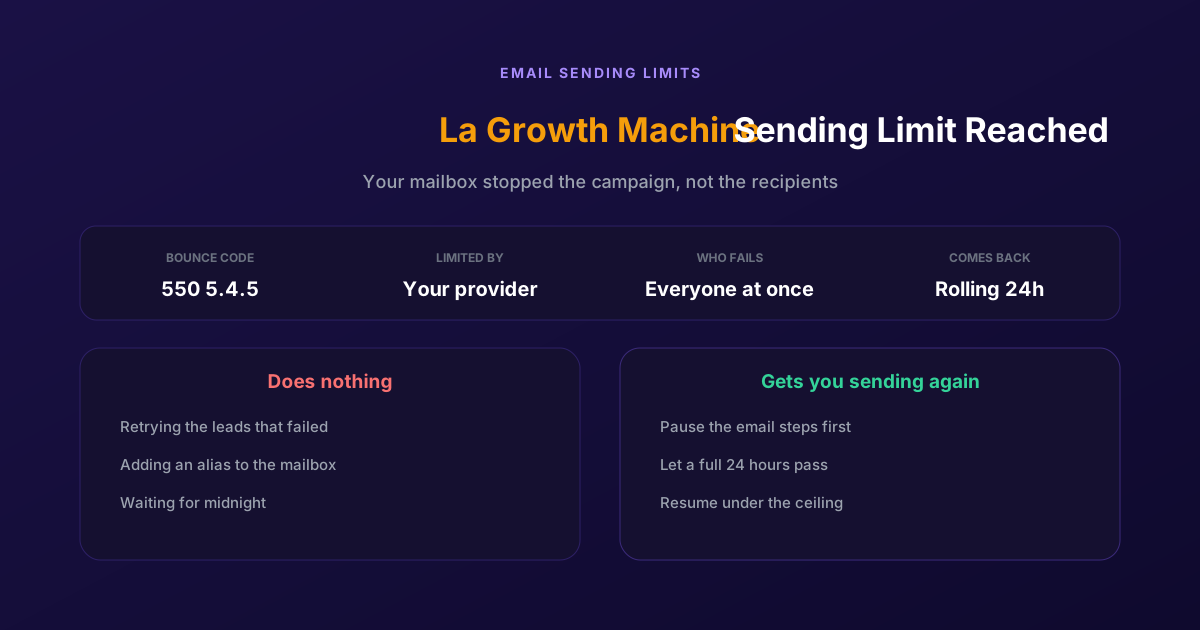
Fix "You Have Reached a Limit for Sending Mail" in La Growth Machine
The message belongs to your email provider, not to the tool. The mailbox has spent its daily allowance, every recipient fails at once, and capacity comes back on a rolling 24-hour window rather than at midnight.
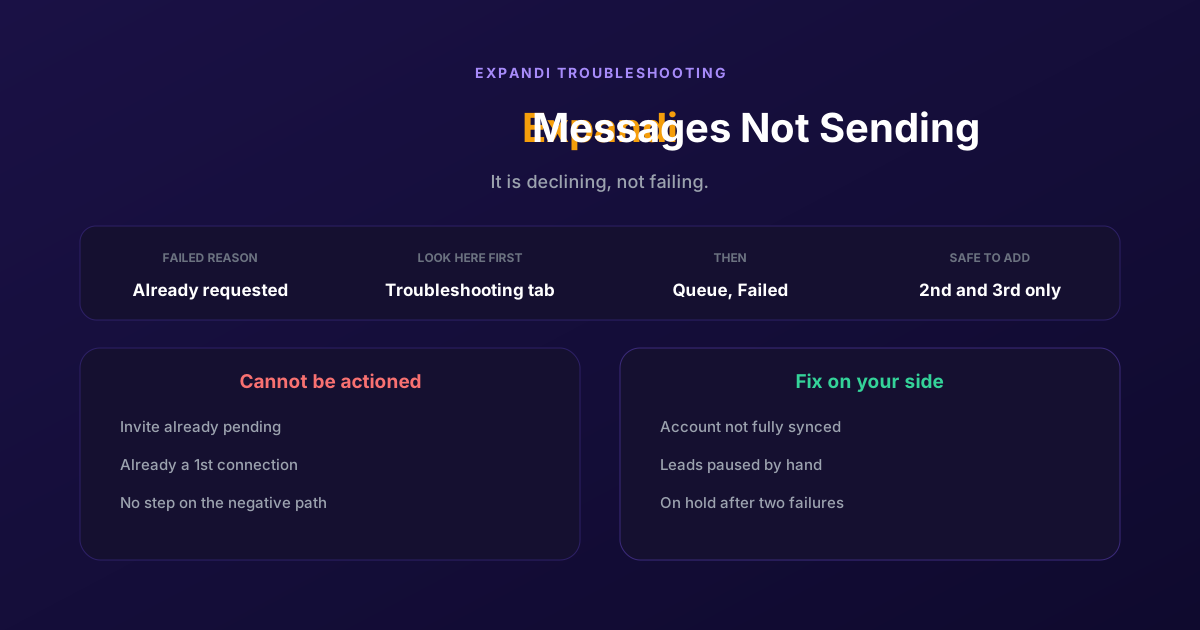
How to Fix Expandi Messages Not Sending (Pending Invites)
A connector campaign opens with a connection request, and a lead who already has one pending cannot receive a second. So the campaign has nothing it is allowed to do, and it says so in a tab most people never open.
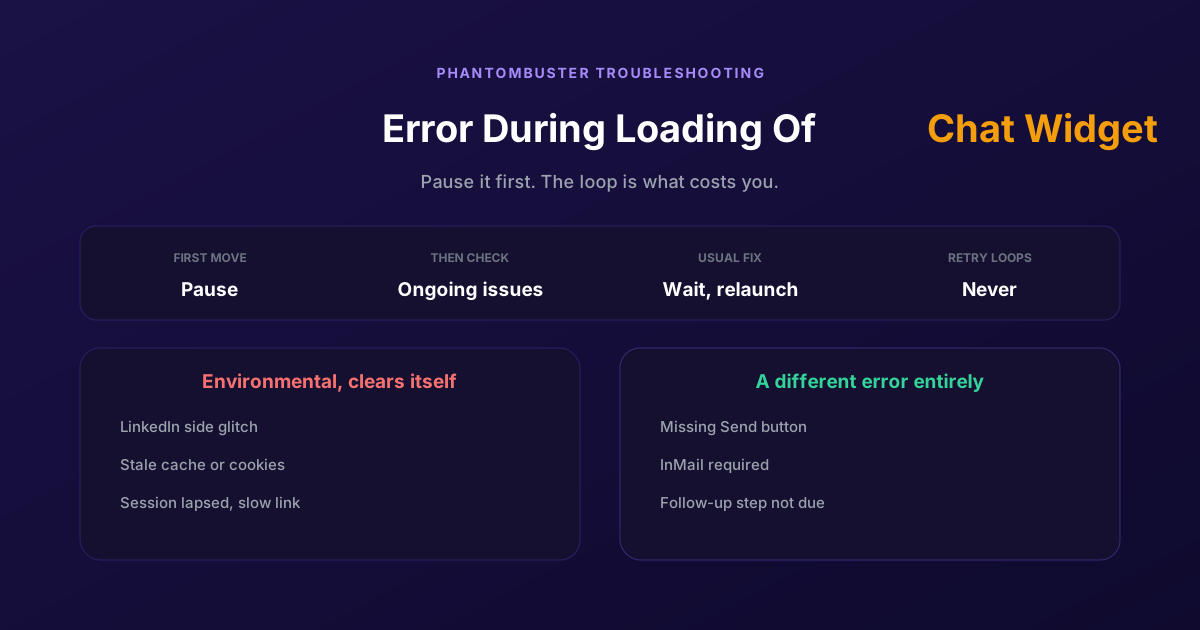
How to Fix Phantombuster "Error During Loading of Chat Widget"
Phantombuster documents this one, and the documented fix is mostly to wait. The expensive part is a Phantom left looping against it, burning execution time on attempts that cannot succeed.
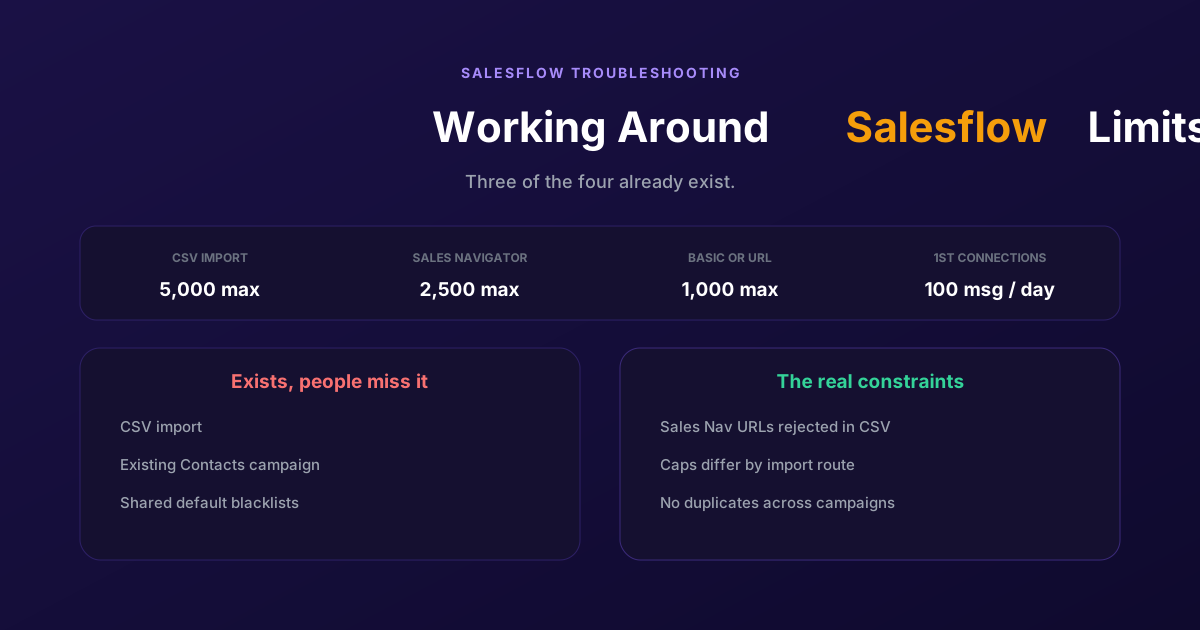
Working Around the Limitations on Salesflow (2026 Guide)
CSV import exists, so does a campaign type for contacts you already hold, and so do shared blacklists. The constraints that actually bite are narrower: rejected Sales Navigator URLs, per-route caps, and a deliberate block on duplicates.