ReactIn vs Waalaxy: Which LinkedIn Automation Tool Should You Choose?
A detailed comparison of ReactIn and Waalaxy for LinkedIn outreach. Features, pricing, safety, and real performance data to help you pick the right tool.
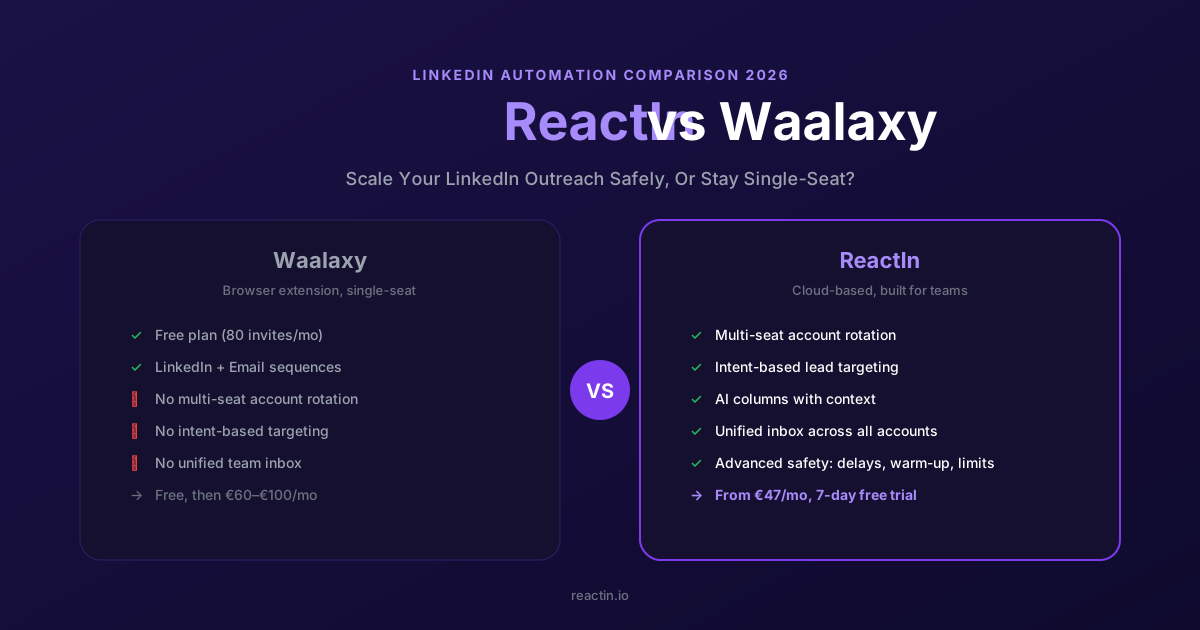
Waalaxy is one of the most well-known LinkedIn automation tools on the market. With a freemium model and a browser extension approach, it's often the first tool B2B teams try. But as your outreach scales, you start hitting limits - single-seat pricing, basic personalization, and no real account rotation.
ReactIn takes a different approach: built for teams that need to scale safely. Multi-seat account rotation, intent-based lead targeting, and AI-powered columns come standard. Here's how the two tools compare feature by feature.
| Feature | Waalaxy | ReactIn |
|---|---|---|
| Multi-seat account rotation | No (one account per seat) | Yes, automatic rotation |
| Intent-based lead targeting | No | Yes (post likers, commenters, event attendees) |
| AI-powered message columns | Basic variables only | Yes, AI columns with context |
| Multi-channel sequences | LinkedIn + Email | LinkedIn (Email coming soon) |
| Safety & human-like behavior | Basic limits | Advanced: random delays, timezone scheduling, activity limits |
| Pricing (per seat/month) | Free plan, then €60-€100/mo | From €47/mo with all features included |
| Unified team inbox | No | Yes, across all connected accounts |
What Waalaxy does well
Waalaxy deserves credit for making LinkedIn automation accessible. Their free plan lets you send up to 80 invitations per month, which is enough for anyone testing the waters. The Chrome extension installs in seconds and the campaign builder is straightforward - pick a sequence template, import leads from a LinkedIn search, and launch.
For solo founders or SDRs running small-scale outreach, Waalaxy covers the basics. It supports LinkedIn + email multi-channel sequences on paid plans, has a built-in email finder, and offers CRM integrations via Zapier. The interface is clean and the learning curve is minimal.
If you're a single user sending under 100 connection requests per week and don't need team features, Waalaxy is a reasonable starting point. It does the fundamentals and does them simply.
Where Waalaxy falls short at scale
The problems start when you try to scale. Waalaxy operates on a one-account-per-seat model. If you have 5 SDRs, you pay for 5 seats - and each person is limited to their own LinkedIn account's daily limits. There's no account rotation, no way to distribute outreach volume across accounts to stay under LinkedIn's radar.
Personalization is limited to basic merge fields (first name, company, job title). There are no AI-powered columns that can generate contextual icebreakers based on a prospect's recent activity or profile content. As response rates drop industry-wide, this kind of personalization is no longer optional - it's essential.
Safety features are basic. Waalaxy applies standard daily limits but doesn't offer the granular controls that protect accounts at scale: randomized delays between actions, timezone-aware scheduling, or adjustable daily limits per account. When you're running multiple accounts, these details matter.
Why growth teams choose ReactIn
ReactIn was built for the exact scenario where Waalaxy breaks down: teams that need to scale LinkedIn outreach without multiplying risk. The core difference is multi-seat account rotation - connect multiple LinkedIn accounts, and ReactIn automatically distributes your outreach volume across them, keeping each account safely within LinkedIn's limits.
Intent-based lead targeting is another game-changer. Instead of blasting everyone in a Sales Navigator search, ReactIn lets you target people who just engaged with relevant content: post likers, commenters, event attendees, and new job starters. These prospects are warm by definition, which is why ReactIn users see 27%+ average reply rates across 5,000+ campaigns.
AI columns let you enrich your lead lists with context-aware data - generate personalized icebreakers, summarize a prospect's recent posts, or classify leads by buying intent. This isn't templated personalization; it's genuine relevance at scale.
Finally, ReactIn includes a unified inbox that aggregates conversations across all your connected LinkedIn accounts. Your team sees every reply in one place, can assign conversations, and never lets a hot lead fall through the cracks. For teams running outreach across 3, 5, or 10+ accounts, this alone justifies the switch.