ReactIn vs HeyReach: Which Tool Wins for LinkedIn Outreach at Scale?
ReactIn and HeyReach both support multi-seat LinkedIn automation. Compare features, pricing, account rotation, and safety to find the best fit for your team.
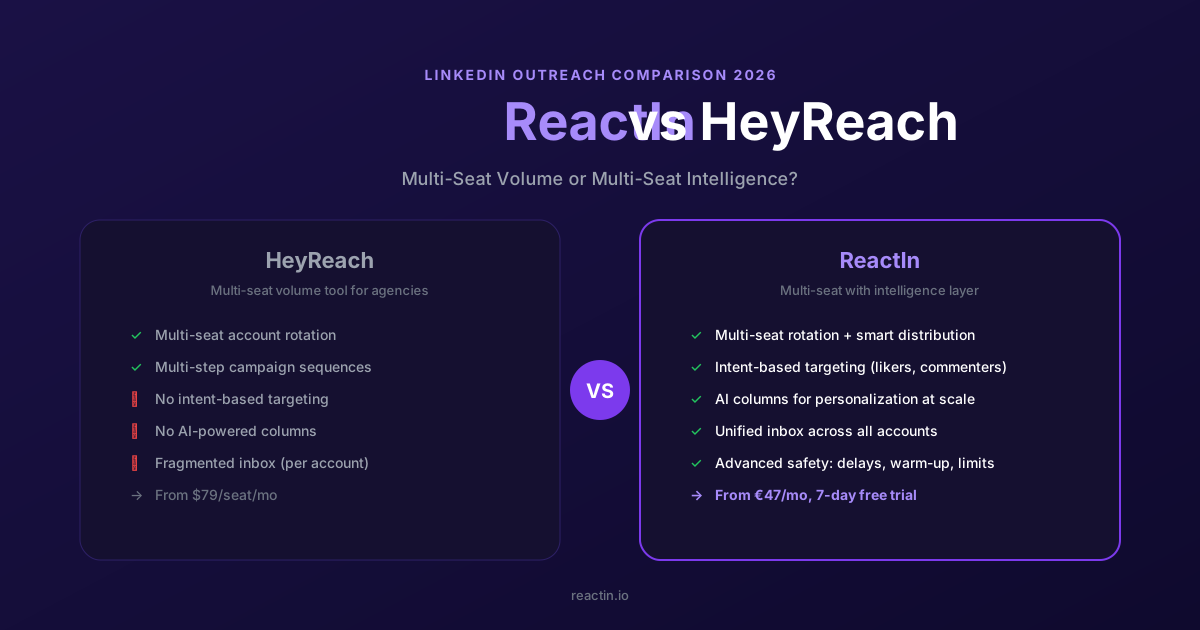
HeyReach is a LinkedIn automation tool designed for agencies and teams managing multiple LinkedIn accounts. It pioneered the multi-seat approach and offers solid campaign management features. But as teams demand smarter targeting and AI-powered personalization, the feature gap becomes clear.
ReactIn shares HeyReach's multi-seat DNA but goes further: intent-based lead targeting, AI-powered enrichment columns, and a unified inbox that keeps your team in sync. Here's how the two tools stack up.
| Feature | HeyReach | ReactIn |
|---|---|---|
| Multi-seat account rotation | Yes | Yes |
| Intent-based lead targeting | No | Yes (post likers, commenters, event attendees) |
| AI-powered message columns | No | Yes, AI columns with context |
| Unified team inbox | Basic (per account) | Yes, unified across all accounts |
| Campaign templates & sequences | Yes, multi-step | Yes, multi-step with automations |
| Pricing | From $79/mo (per seat) | From €47/mo with all features included |
| Safety & human-like behavior | Standard limits | Advanced: random delays, timezone scheduling, adjustable daily limits |
What HeyReach does well
HeyReach was one of the first tools to truly embrace multi-seat LinkedIn automation. If you're an agency managing outreach for 10+ clients, HeyReach lets you connect multiple LinkedIn accounts, rotate sending across them, and manage everything from a single dashboard. That's a genuine advantage over single-seat tools.
The campaign builder is solid. You can create multi-step sequences with connection requests, messages, profile views, and InMails. Lead imports from Sales Navigator and CSV work well, and the reporting gives you visibility into reply rates and acceptance rates across accounts.
For agencies that primarily need to manage volume across many accounts, HeyReach delivers on its core promise. The interface is functional, onboarding is straightforward, and the team management features let you assign accounts to specific team members.
Where HeyReach falls short
HeyReach's biggest gap is targeting intelligence. It treats LinkedIn outreach as a volume game: import a list, blast a sequence, hope for replies. There's no concept of intent-based targeting - no way to automatically find and reach people who just engaged with relevant content, changed jobs, or attended industry events.
Personalization is limited to standard merge fields. There are no AI-powered columns that can analyze a prospect's LinkedIn profile or recent activity and generate a contextual opening line. In 2026, generic "Hey {firstName}" messages get ignored. Teams need smarter personalization to cut through the noise.
The inbox experience is fragmented. Each LinkedIn account has its own conversation view, which means your team is constantly switching between accounts to check replies. There's no unified inbox where all conversations are aggregated, assignable, and searchable. For teams managing 5+ accounts, this creates real operational friction.
Why teams switch to ReactIn
ReactIn matches HeyReach on multi-seat fundamentals - account rotation, team management, campaign builder - then adds the intelligence layer that HeyReach is missing. Intent-based lead targeting lets you build lists from real buying signals: people who liked a competitor's post, commented on industry content, attended a relevant webinar, or just changed jobs. These aren't cold leads; they're already engaged.
AI columns transform how you personalize at scale. Add a column that summarizes a prospect's last 3 LinkedIn posts, generates a relevant icebreaker, or scores their fit against your ICP. This data flows directly into your message templates, so every outreach feels 1:1 - even when you're reaching hundreds of prospects per week.
The unified inbox is where team efficiency jumps. Every reply from every connected LinkedIn account lands in one place. Assign conversations to reps, filter by campaign, search across accounts - your team never misses a reply and never duplicates effort. For agencies managing client accounts, this is the difference between chaos and control.
And ReactIn's safety features go deeper: randomized delays, timezone-aware scheduling, adjustable daily limits per account, and smart distribution that keeps each account well within LinkedIn's thresholds. When you're running 10+ accounts, this level of protection isn't optional.