How to Fix the Dripify "LinkedIn Contract Mismatch" Error
The search URL carries the LinkedIn plan that generated it, and Dripify refuses when that does not match the connected account. Shared URLs are the usual culprit. Here is the two-minute realignment.
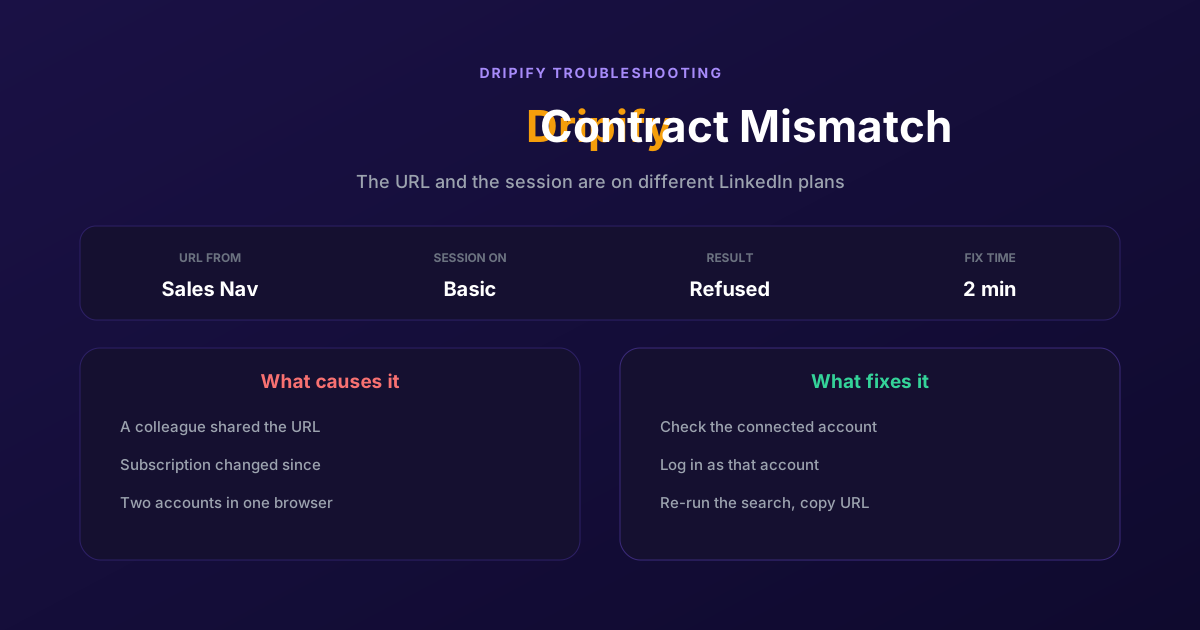
You paste a Sales Navigator search URL into Dripify, press import, and get LinkedIn contract mismatch. No leads come in. The URL works fine when you open it yourself, which makes the error feel arbitrary.
It is not arbitrary. Dripify is comparing the LinkedIn plan behind the URL you pasted with the plan on the account it is logged into, and refusing when they differ. That is a one-line explanation for an error people spend an afternoon on, and the fix is to make those two agree.
What a contract mismatch actually is
LinkedIn treats each product tier as a separate contract: Free, Premium, Sales Navigator, Recruiter. A search URL carries the fingerprint of the contract that generated it, which is why a Sales Navigator link does not simply open as a normal search. Dripify checks that fingerprint against the account it is authenticated with, and stops when the two do not match rather than importing something incomplete.
| Situation | What went wrong | Fix |
|---|---|---|
| Sales Navigator URL, basic account connected | The URL needs a contract the session does not have | Connect the Sales Navigator account, or use a basic search URL |
| A colleague shared the URL | It carries their contract, not yours | Re-run the search yourself and copy your own URL |
| Recruiter list on a Premium session | Recruiter is a separate contract again | Export the list, or connect the Recruiter account |
| Subscription lapsed since you saved the URL | The contract behind it no longer exists on your account | Regenerate the search under the current plan |
| Several LinkedIn accounts in one browser | The search ran under whichever account was active | Use separate browser profiles per account |
The scenario that catches teams most often is the shared URL. Someone with Sales Navigator builds a good search, posts the link in a channel, and a colleague on a basic plan pastes it into Dripify. Nothing about the link looks wrong, and the error message does not say whose contract it belongs to, so the colleague reasonably concludes the tool is broken.
Realign the URL and the session
Four steps, in order. The whole thing takes about two minutes once you know which account Dripify holds.
Check which LinkedIn account Dripify is connected to
Open your LinkedIn connection settings in Dripify and note both the account and its plan. This is the fact everything else depends on, and it is the step people skip because they assume they know. On a team where several accounts have been connected over time, that assumption is often wrong.
Log into LinkedIn as that exact account
Not a similar account, not the team's shared login: the same one Dripify holds. If you keep several LinkedIn identities open, this is where the wrong one quietly takes over, because your browser will happily run the search under whichever session is active.
Re-run the search and copy the fresh URL
Build the search again in the product that matches the plan, Sales Navigator if that is what Dripify holds, plain LinkedIn search if not, and copy the URL from the address bar. Do not reuse a saved link, even your own, if your subscription has changed since you saved it.
Paste it into Dripify and import
With the contract matching, the import runs immediately. If it still refuses, the account you checked in step one is not the account you searched under, which is worth verifying rather than assuming, because the two look identical from inside a browser.
Stop it recurring on a team
This error is rare for solo users and constant on teams, which tells you it is a coordination problem more than a technical one.
- Note the plan on the campaign. Record which LinkedIn account and tier each Dripify campaign runs under, so anyone adding leads knows what kind of URL to produce.
- Use separate browser profiles per LinkedIn identity. One profile per account removes the entire class of mistake where a search silently runs under the wrong session.
- Do not share search URLs in chat. Share the search criteria instead and let each person rebuild it under their own account. It takes twenty seconds and it cannot produce a mismatch.
- Re-check after a subscription change. When a Sales Navigator seat is added or dropped, the saved URLs from before are now on a contract that no longer matches, and they fail with no obvious link to the billing change that caused it.
None of that is about Dripify. It is about a team having several LinkedIn contracts in circulation and no convention for which one a given campaign uses.
For the other pair of Dripify errors that stop a campaign silently, see how to fix Dripify failed actions.
Sources that carry no contract
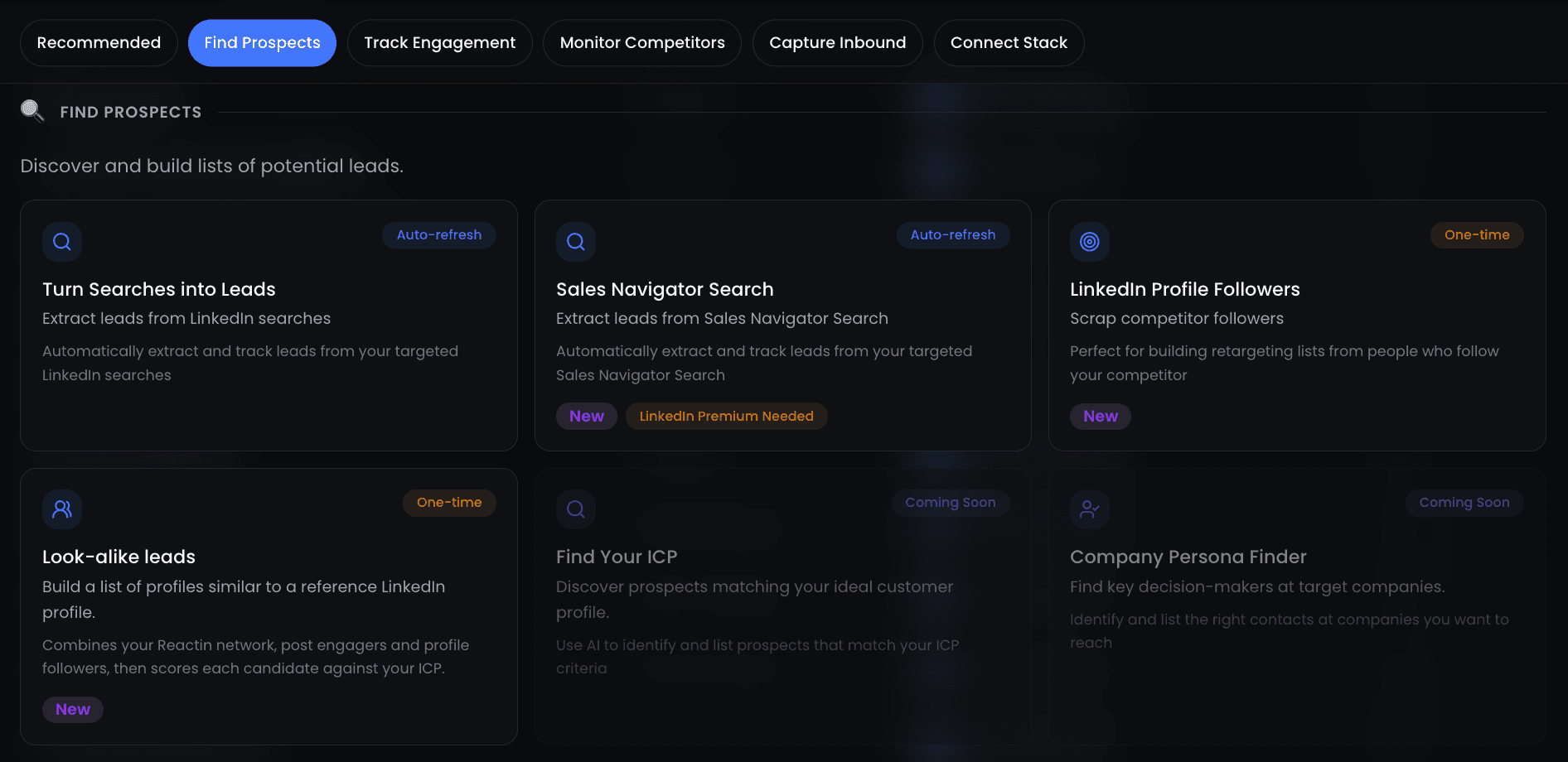
The mismatch exists because the list came from a LinkedIn search, and a LinkedIn search is a product feature tied to a paid tier. The URL is not really a list, it is a query someone's subscription is allowed to run.
ReactIn builds lists from events instead of queries. Someone engaged with a post, followed a company, attended a webinar, submitted a form or booked a call. None of those is gated behind a LinkedIn product tier, so there is no contract fingerprint to match and no URL whose provenance matters.
For a team that removes the coordination problem entirely. Everyone works from the same lists regardless of who holds which subscription, because the list was never the output of one person's Sales Navigator seat.
The honest limit: Sales Navigator's filters are genuinely good, and if your targeting depends on firmographic criteria that only it exposes, you need the seat and you need the URL to match. ReactIn's sourcing answers a different question, who is showing interest, rather than who fits a filter. If your motion is the latter, keep the Sales Navigator workflow and fix the contract.
For how the two approaches compare across the whole product, see our ReactIn vs Dripify comparison.
It is a coordination error dressed as a technical one, which is why it feels arbitrary and why the fix is so short once you see it.
Frequently Asked Questions
Sources & Further Reading
- Dripify documents this error in troubleshooting the LinkedIn contract mismatch error.
- For the related import and campaign failures, see addressing failed actions on Dripify.
- Dripify's general reference is its FAQ, which covers what each plan includes.
Related Articles
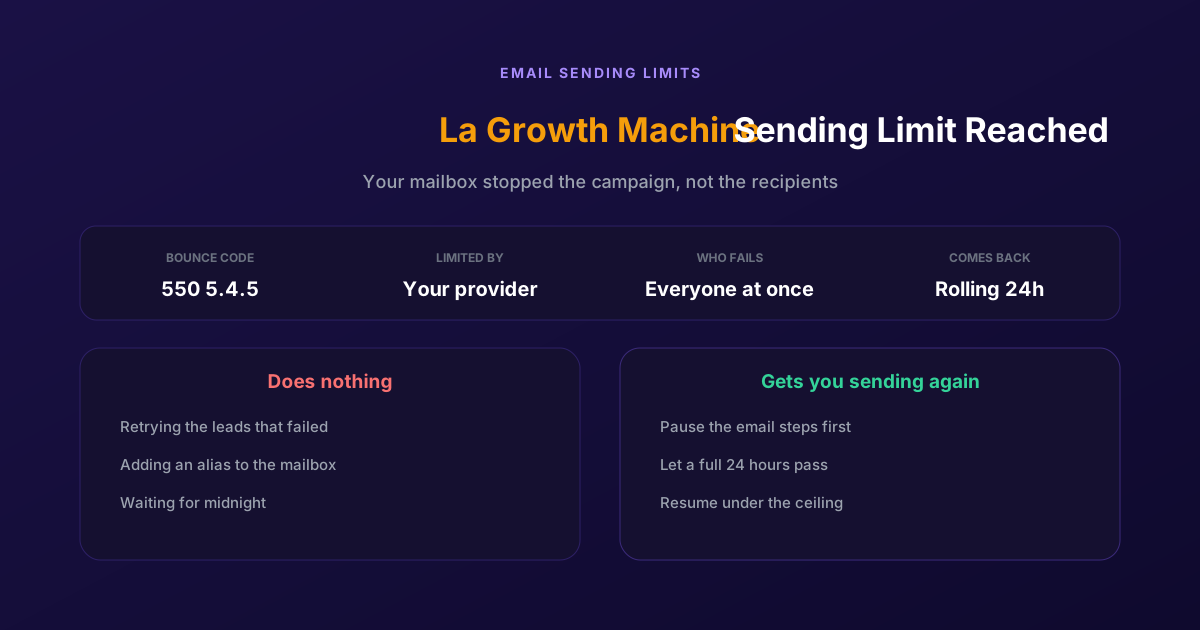
Fix "You Have Reached a Limit for Sending Mail" in La Growth Machine
The message belongs to your email provider, not to the tool. The mailbox has spent its daily allowance, every recipient fails at once, and capacity comes back on a rolling 24-hour window rather than at midnight.
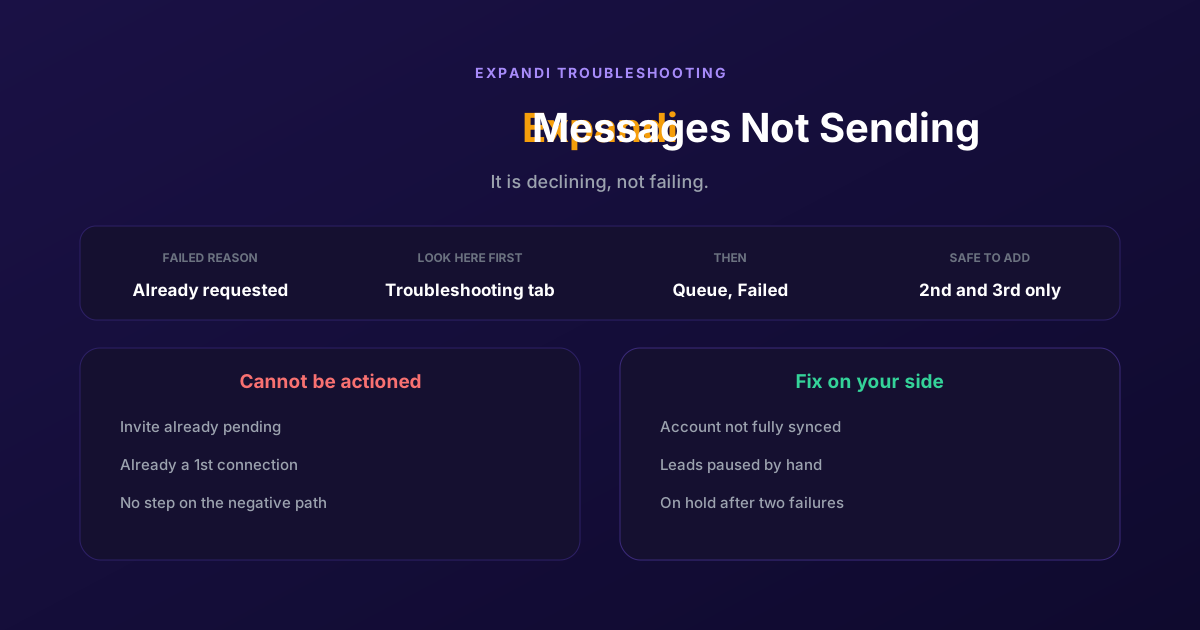
How to Fix Expandi Messages Not Sending (Pending Invites)
A connector campaign opens with a connection request, and a lead who already has one pending cannot receive a second. So the campaign has nothing it is allowed to do, and it says so in a tab most people never open.
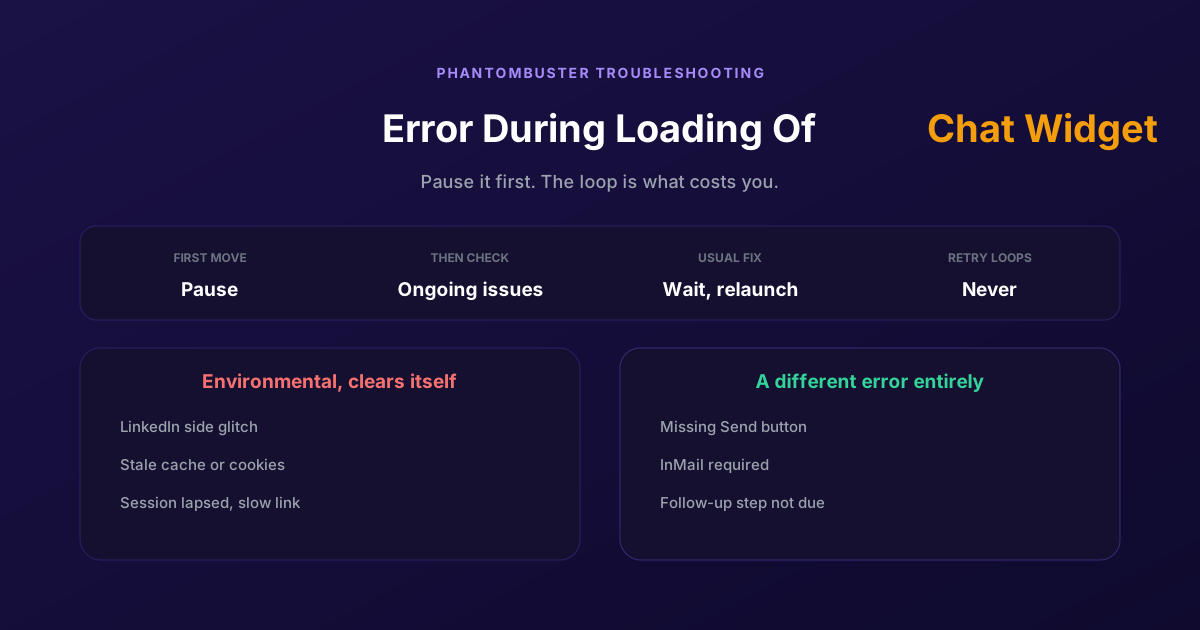
How to Fix Phantombuster "Error During Loading of Chat Widget"
Phantombuster documents this one, and the documented fix is mostly to wait. The expensive part is a Phantom left looping against it, burning execution time on attempts that cannot succeed.
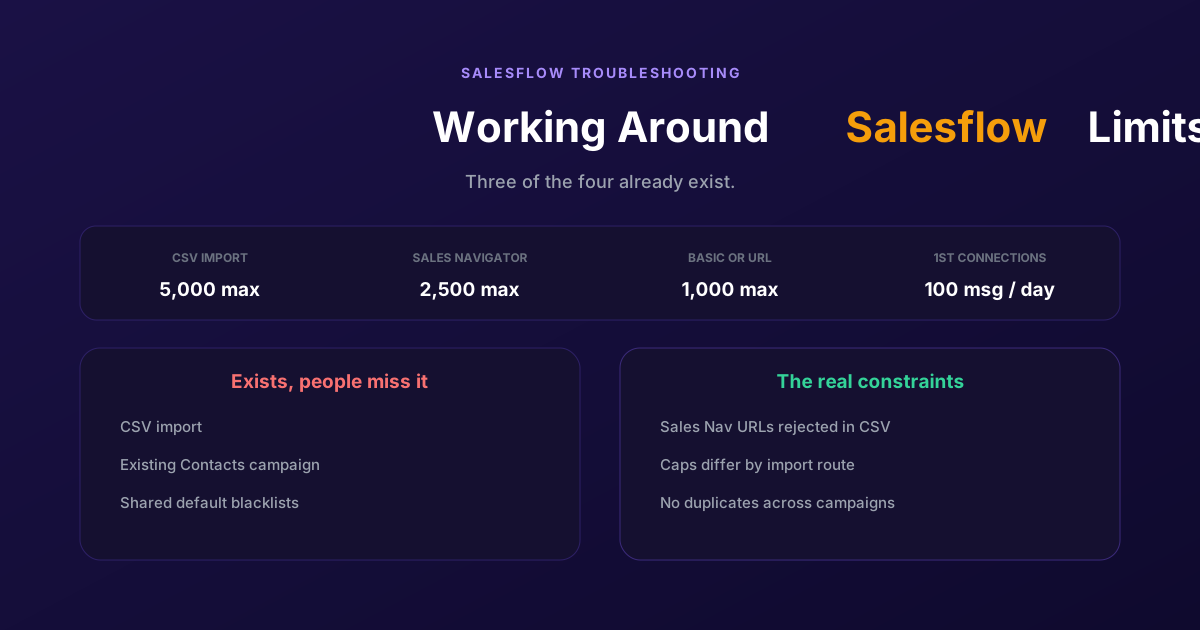
Working Around the Limitations on Salesflow (2026 Guide)
CSV import exists, so does a campaign type for contacts you already hold, and so do shared blacklists. The constraints that actually bite are narrower: rejected Sales Navigator URLs, per-route caps, and a deliberate block on duplicates.