How to Fix the Phantombuster "Profile Out of Network" Error (2026)
This is LinkedIn enforcing network degree visibility, not a Phantombuster bug, so no setting resolves it. Get into network first through a connection, engagement or a shared group, then re-run the same input.
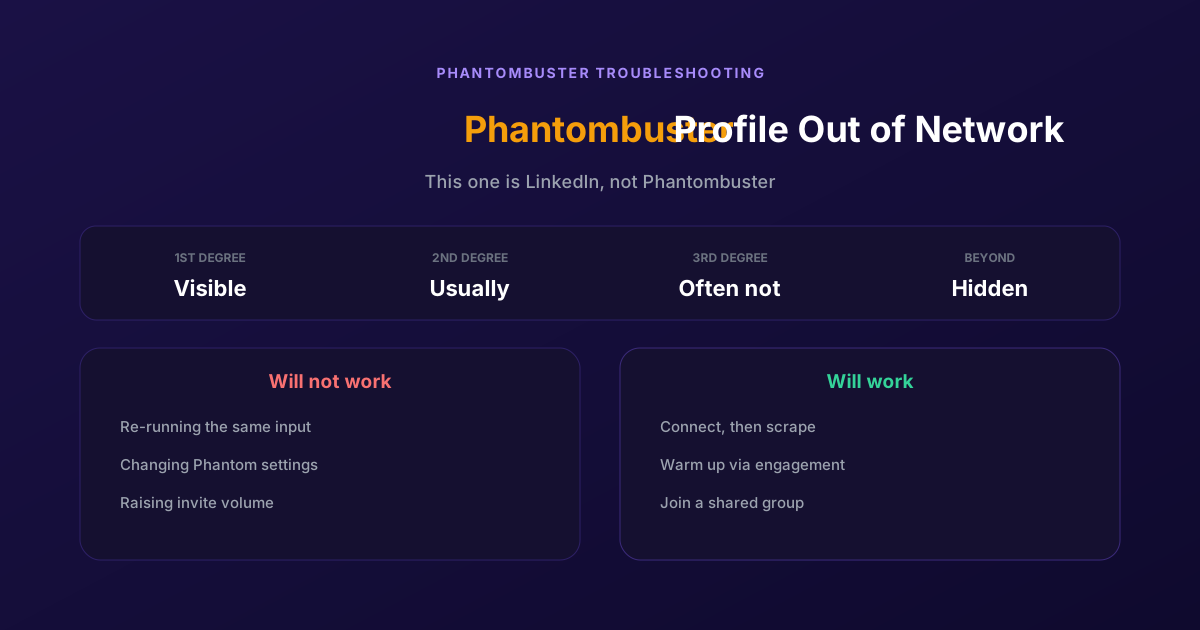
Your Phantom runs, processes the list, and returns a column of Profile out of network. No data scraped, no message sent, no obvious thing to fix. The Phantom worked perfectly. LinkedIn just declined to show it anything.
This is the one error in Phantombuster that is not Phantombuster's. It is LinkedIn enforcing network degree visibility, and the Phantom is reporting that enforcement faithfully. Which means the fix is never in the Phantom's settings. It is in changing your relationship to the profile before you ask for it.
Why LinkedIn blocks the profile
LinkedIn shows you a profile based on how far it sits from you in the graph. First degree is a connection, second is a connection of a connection, third is one step further, and past that the profile is effectively invisible. Privacy settings tighten this further: some members restrict who can see their details even inside those degrees. A Phantom reads what your logged-in session can see, so when LinkedIn hides the profile, the Phantom gets nothing and reports exactly that.
| Action | Why it fails out of network | Way through |
|---|---|---|
| Scraping profile details | The fields are not rendered for your session at all | Connect first, then scrape after acceptance |
| Sending a message | Messaging needs a connection, or InMail credits | Send an invitation, or use InMail on a premium plan |
| Company page invite | You can only invite people in your own network | Grow the network, or target existing connections |
| A profile with strict privacy | Hidden even at second degree | Warm the lead first, or accept it as unreachable |
The distinction that matters most for troubleshooting: this is not intermittent and it is not a bug. If the same profile fails twice, it will fail a hundred times, because nothing about your session changed between attempts. Re-running the Phantom unchanged is the one response that is guaranteed not to work.
How to get into network
Four routes, roughly in order of how well they scale.
Send a connection request first
Chain a connection step ahead of the one that failed. Once the invitation is accepted the profile moves into your first degree and everything becomes visible: details scrape, messages send. Keep the volume moderate, because a burst of requests off the back of a failed run is the pattern most likely to draw attention.
Warm the lead before you ask
Like or comment on a few of the target's posts before sending anything. This does two things: it lifts acceptance rates on the invitation that follows, and engagement is public so it is a normal thing for an account to do. Phantombuster has auto-liker and auto-commenter Phantoms if you want it automated, but keep the volume human.
Use a shared group
Group membership grants visibility between members that degree alone would not. If your targets cluster in a LinkedIn group, join it, participate a little, then run the Phantom against members of that group. Relaunching the same input after joining often succeeds on the second pass with nothing else changed.
Add Sales Navigator, with expectations
A premium subscription widens what you can see and search, and it gives InMail credits for reaching people you are not connected to. What it does not do is remove the limit. Some profiles stay hidden, and out-of-network errors do not disappear entirely. Budget for it as an improvement rather than a fix.
Build the workaround into the workflow
The teams that never see this error are not lucky. They designed it out of their flow.
- Pre-qualify the list. Filter your input to first and second degree contacts before the Phantom runs. If your search returns mostly third degree, the failures are predictable rather than surprising.
- Chain connect then scrape. Never point a scraping step at a cold list. Make acceptance the gate that anything else waits on, so the sequence cannot ask for something it is not allowed to see.
- Branch on the error. Watch the Phantom logs for out-of-network results and route those rows to a warm-up path instead of dropping them. A failed row is a lead that needs a different first step, not a dead lead.
- Keep invitation volume flat. Whatever the failure rate, do not let it push your daily request count up. Volume decisions belong to your account's safety budget, not to a batch that happened to go badly.
Together those turn the error from an interruption into a routing decision, which is all it ever really was.
Widening a network quickly is exactly what gets accounts restricted, so the ramp matters. We covered it in how to warm up a LinkedIn account.
Lists where everyone is already reachable
Step back and the error is telling you something structural: you built a list of people who have no relationship with you, and LinkedIn is enforcing that. The workarounds all consist of manufacturing a relationship after the fact.
ReactIn builds lists from the other direction. The people on them commented on your post, followed your company, attended your webinar, submitted your form or booked a call. They arrived by doing something involving you, which means they are visible, they are warm, and the invitation that follows has a real reason attached to it.
That removes the whole failure mode rather than routing around it. There is no connect-then-scrape chain to maintain, no warm-up pass to schedule, and no rows to mark unreachable, because the list was never made of strangers three degrees away.
The honest limit: if your target account list is fixed, a named set of companies you must reach whether or not they have ever heard of you, then intent-based sourcing does not cover it and you still need the connect-first workflow. ReactIn suits the case where you would rather talk to whoever is showing interest than to a predetermined list.
For how the two approaches differ across the whole product, see our ReactIn vs Phantombuster comparison.
The error is a reasonable message about an unreasonable list. Fix the list and the error stops being something you handle.
Frequently Asked Questions
Sources & Further Reading
- Phantombuster documents this error directly in how to fix the Profile Out Of Network error in LinkedIn Phantoms.
- The related messaging case is covered in how to fix the InMail Required error in LinkedIn Message Sender.
- For company page invitations specifically, see the Profile not found in your network error in Company Page Inviter.
- Phantombuster keeps a wider index of common LinkedIn and Sales Navigator platform errors.
Related Articles
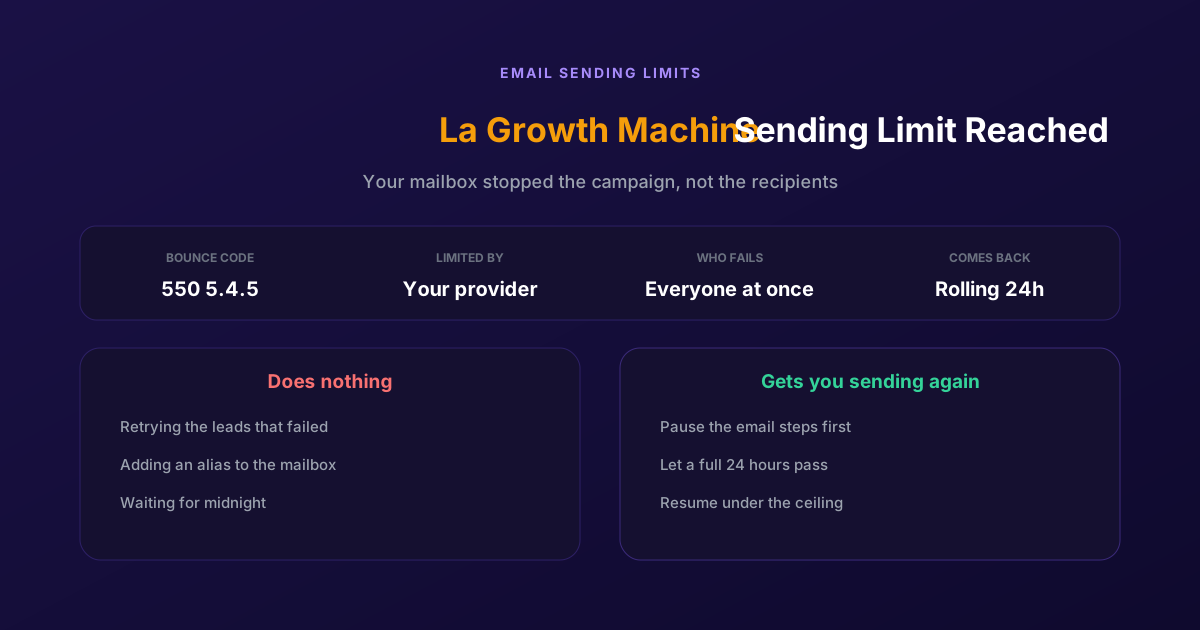
Fix "You Have Reached a Limit for Sending Mail" in La Growth Machine
The message belongs to your email provider, not to the tool. The mailbox has spent its daily allowance, every recipient fails at once, and capacity comes back on a rolling 24-hour window rather than at midnight.
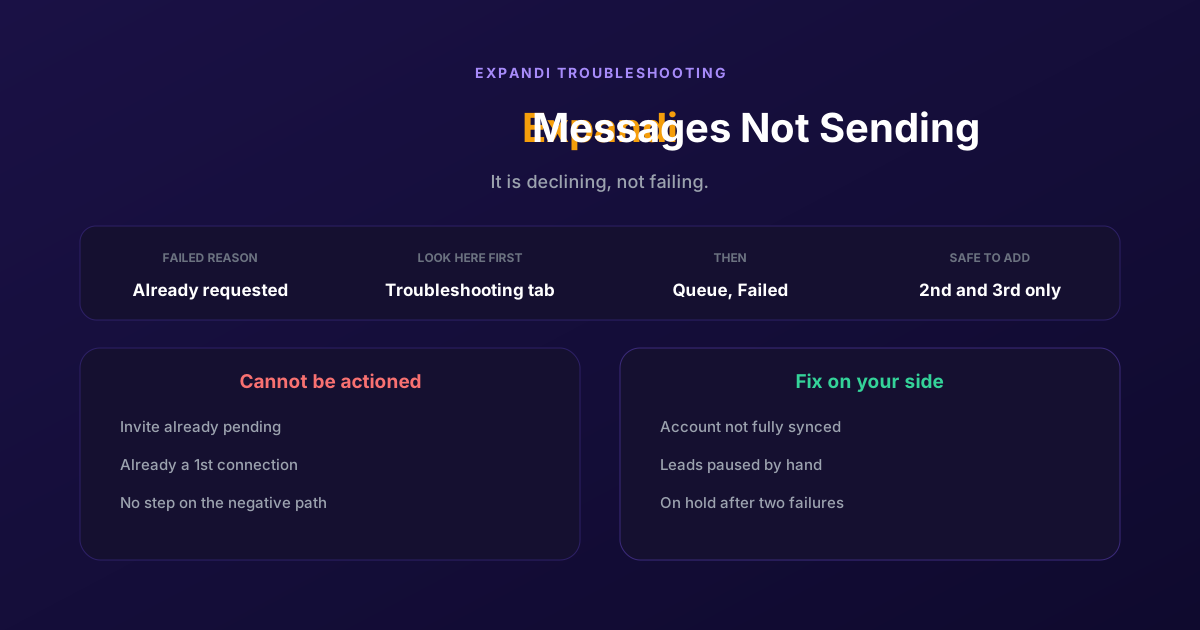
How to Fix Expandi Messages Not Sending (Pending Invites)
A connector campaign opens with a connection request, and a lead who already has one pending cannot receive a second. So the campaign has nothing it is allowed to do, and it says so in a tab most people never open.
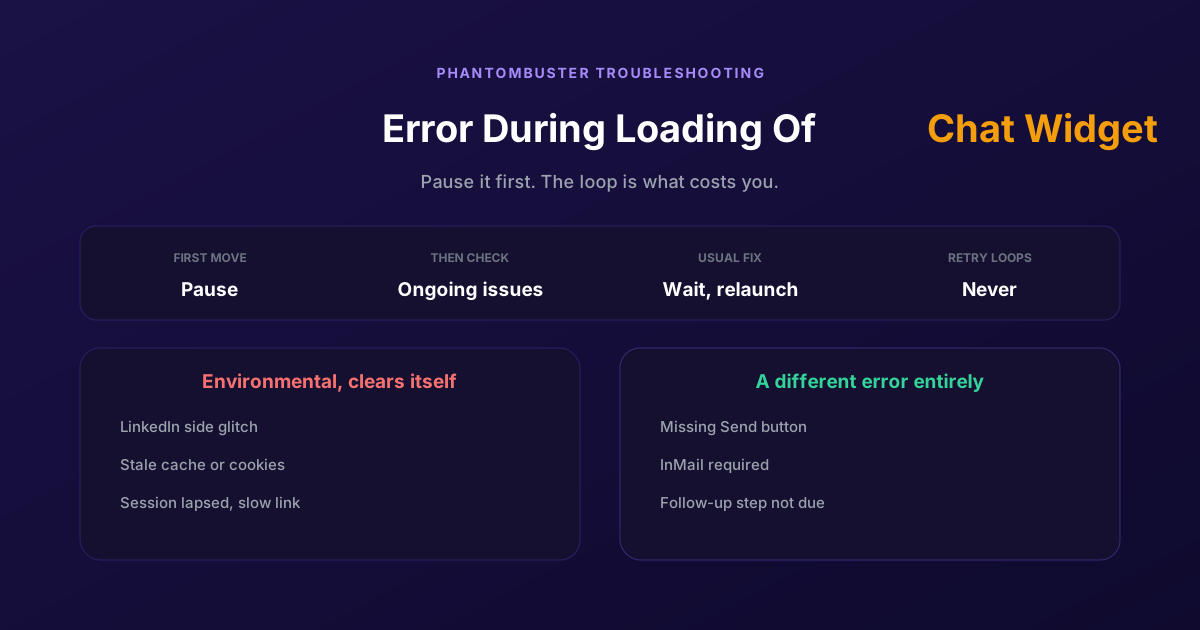
How to Fix Phantombuster "Error During Loading of Chat Widget"
Phantombuster documents this one, and the documented fix is mostly to wait. The expensive part is a Phantom left looping against it, burning execution time on attempts that cannot succeed.
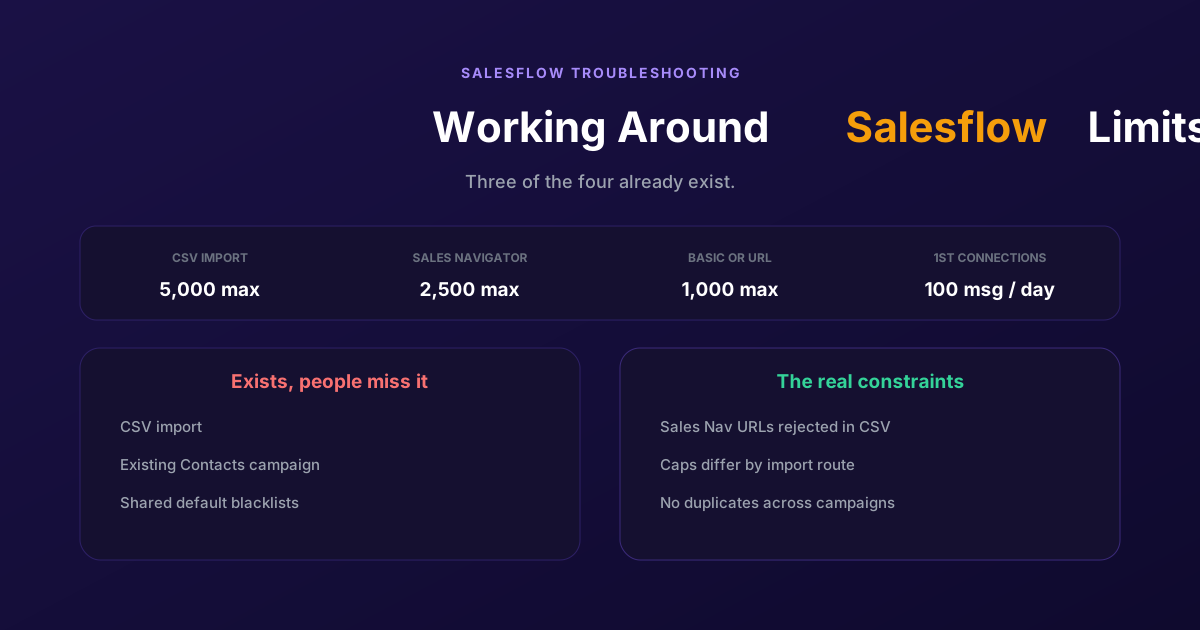
Working Around the Limitations on Salesflow (2026 Guide)
CSV import exists, so does a campaign type for contacts you already hold, and so do shared blacklists. The constraints that actually bite are narrower: rejected Sales Navigator URLs, per-route caps, and a deliberate block on duplicates.